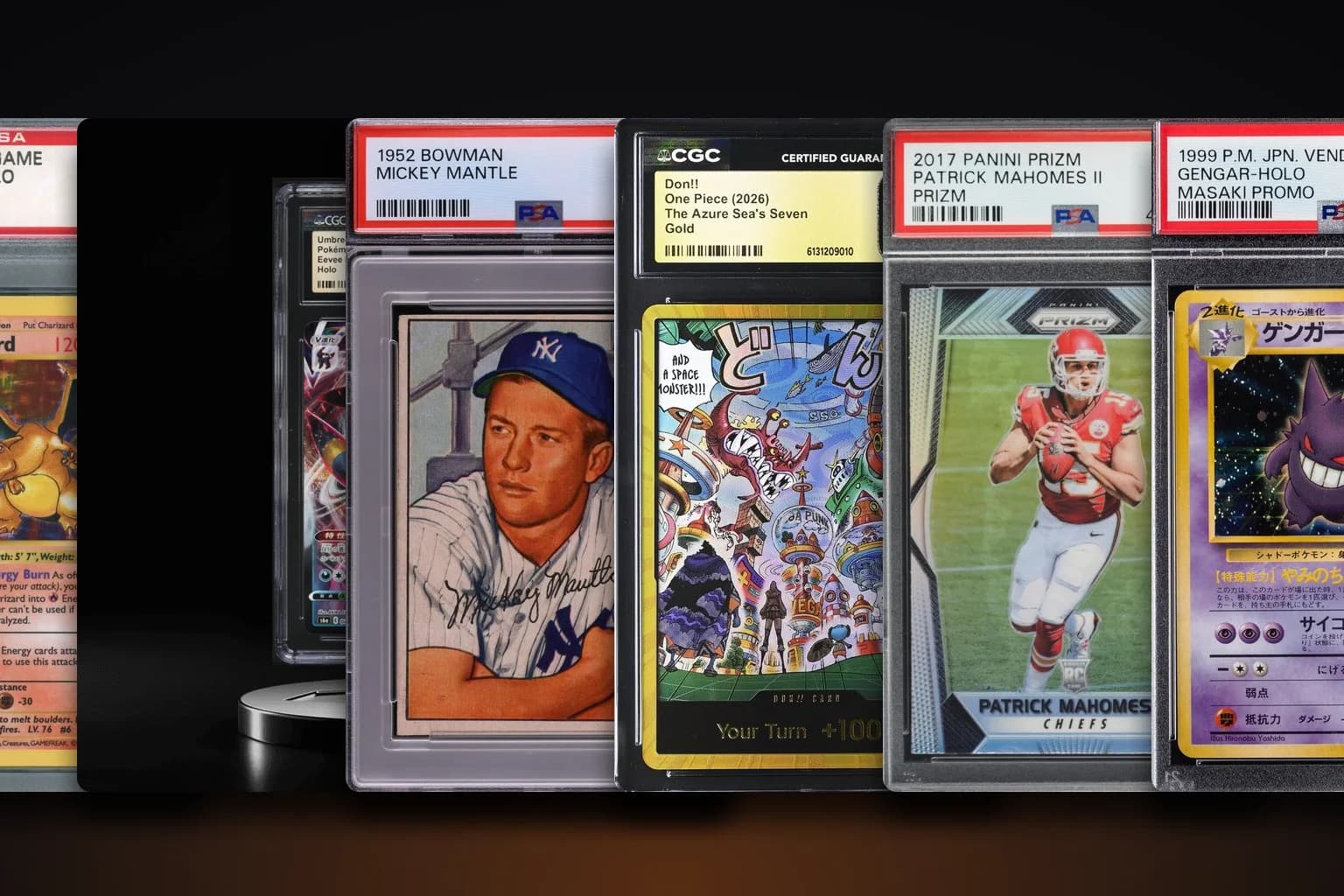
Best Graded Cards to Buy Right Now: What the Data Says (June 2026)
The market has settled. After years of pandemic swings and correction hangovers, graded card prices are finding a floor — and in several categories, they're climbing again. The trading card market is projected to grow from $52.1 billion in 2026 to $90.2 billion by 2034, a 7.1% CAGR. That's not hype. That's structural demand with years of runway behind it.
PSA is processing over 75,000 items per day right now. Collectors are still submitting, still buying, still trading. The market is alive. The real question is where to put your money in June 2026.
Here's what the data actually supports.
Three Forces Moving Prices Right Now
Before the picks, here's what's shaping the market at the moment.
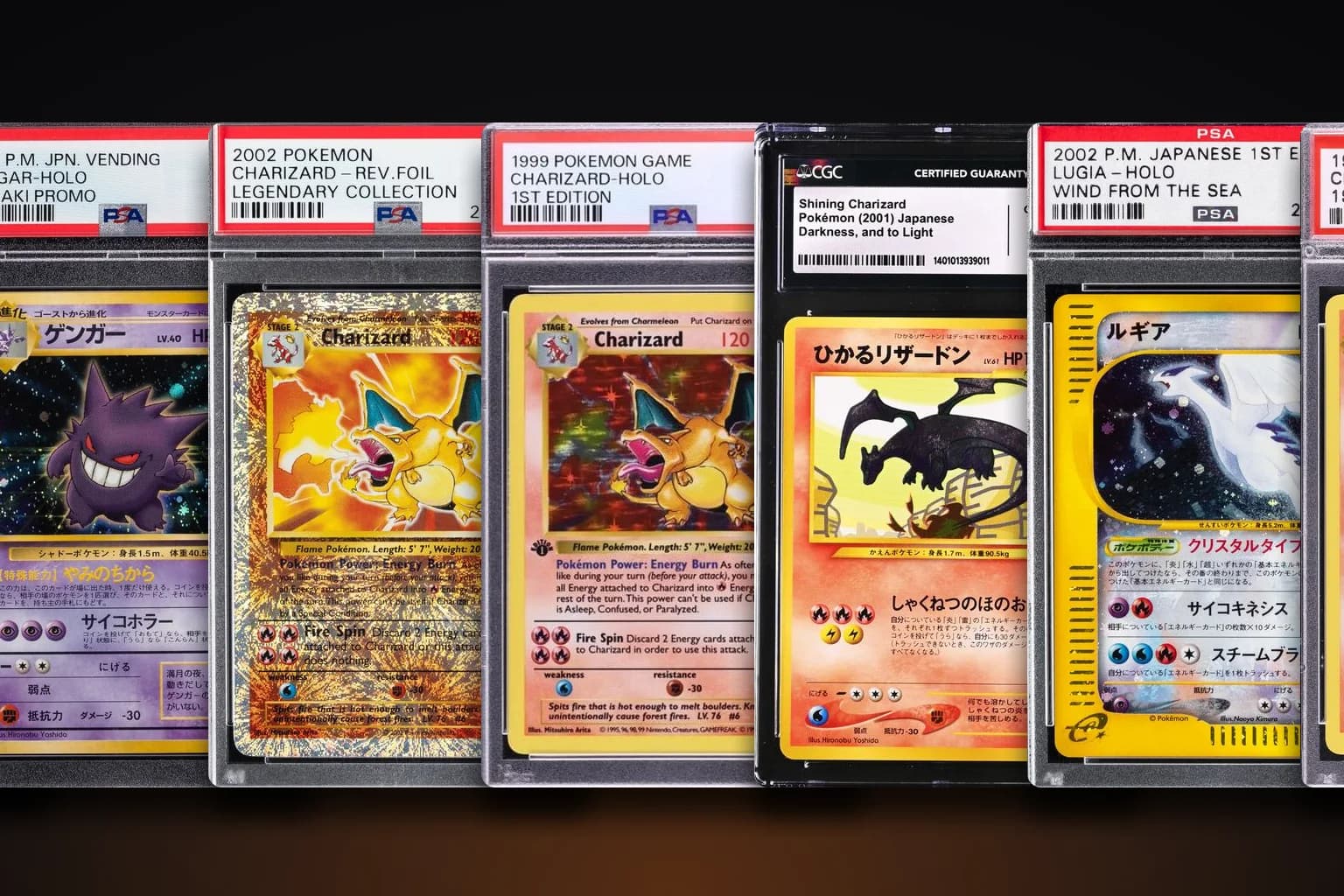
Pokémon's 30th Anniversary tailwind. The anniversary is pulling casual buyers back into the hobby, and they're chasing the names they know — Charizard, Pikachu, Mewtwo. That lifts the whole market, but it lifts vintage and high-grade modern disproportionately. Supply of gem mint copies doesn't grow just because demand does.
PSA fee increases reshaping submission economics. When grading costs more, submitters get selective. Low-value cards don't get sent in. Pop reports on mid-tier modern cards are growing more slowly, which is quietly bullish for already-graded copies already sitting in the market.
Vintage and modern behaving like two different markets. Modern cards are liquid and accessible. Vintage slabs are scarce and getting scarcer in high grade. Smart collectors are treating them differently — and you should too.
The Picks
1. Low-Pop Vintage Pokémon — PSA 8 and Above
This is the clearest signal in the market right now. First-edition Base Set cards in PSA 8 or better have tight pop reports and a buyer pool that's expanding, not contracting, thanks to the anniversary cycle.
You don't need a PSA 10 Charizard budget to play this. PSA 8 copies of less-glamorous first-edition holos — Raichu, Gyarados, Nidoking — are underpriced relative to their scarcity. Pop counts on these cards are often under 200 in PSA 8, sometimes under 100. When anniversary-driven demand hits a card with 80 PSA 8 copies in existence, the math is simple.
The rationale: real scarcity, rising demand, and a near-term catalyst already in motion. Check the PSA pop report before you buy — it's the fastest way to confirm a card is genuinely low-pop.
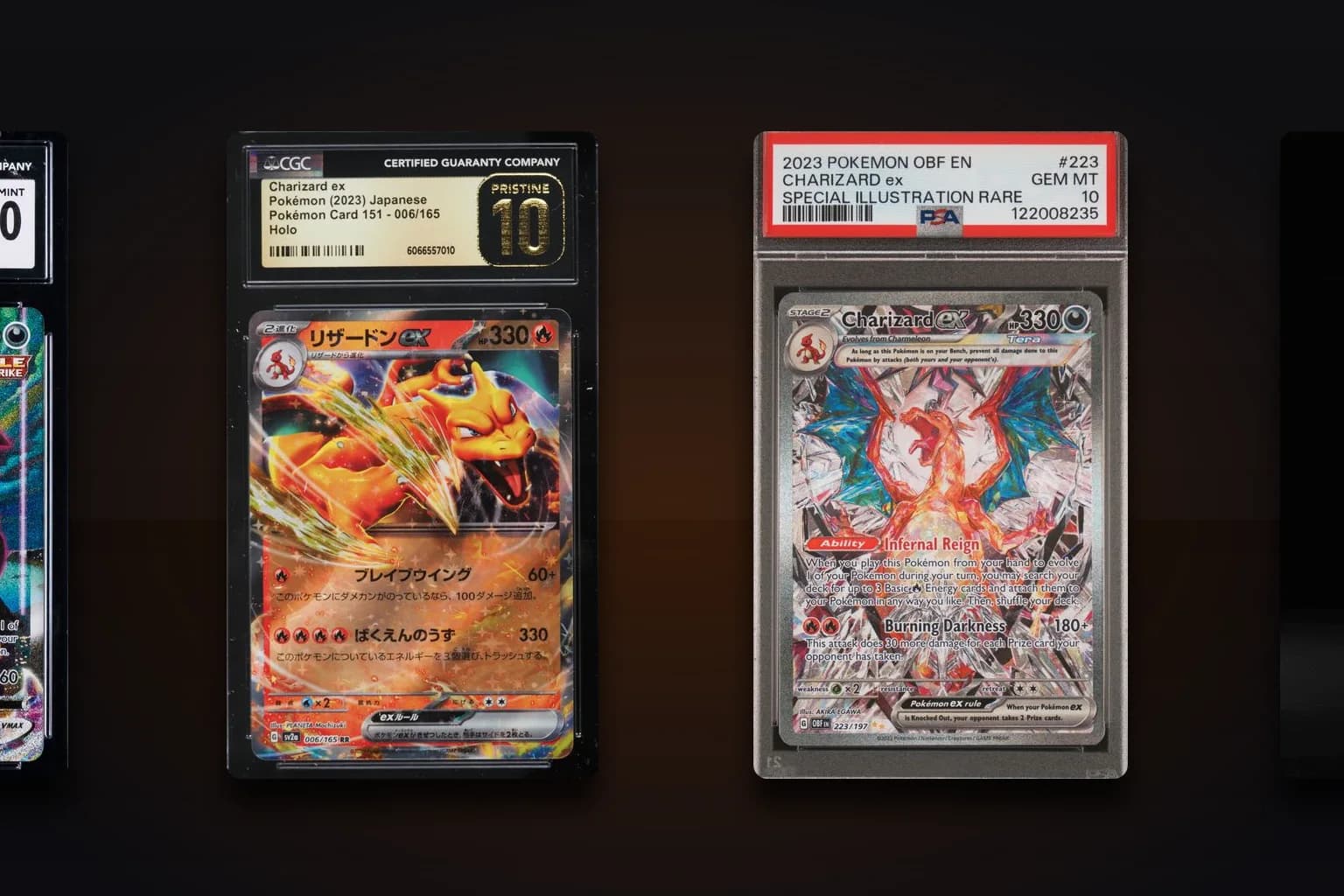
2. Special Art Rares from Scarlet and Violet — Gem Mint Only
Modern Pokémon has a clear hierarchy now. Secret Rares are liquid but commoditized. Special Art Rares in PSA 10 are what serious collectors are accumulating.
The centering and surface issues on Scarlet and Violet print runs are well-documented. PSA 10 rates on many SARs are sitting below 40%, sometimes well below. That makes a PSA 10 SAR a legitimately scarce object inside a set with massive print runs — not just a pretty card.
Cards like the Charizard ex SAR from Obsidian Flames and the Gardevoir ex SAR from Scarlet and Violet base have held value through the post-peak correction better than almost any other modern category. High-grade copies keep trading at premiums that reflect real supply constraints.
The rationale: low PSA 10 pop rates on high-demand cards in a set with proven collector interest.
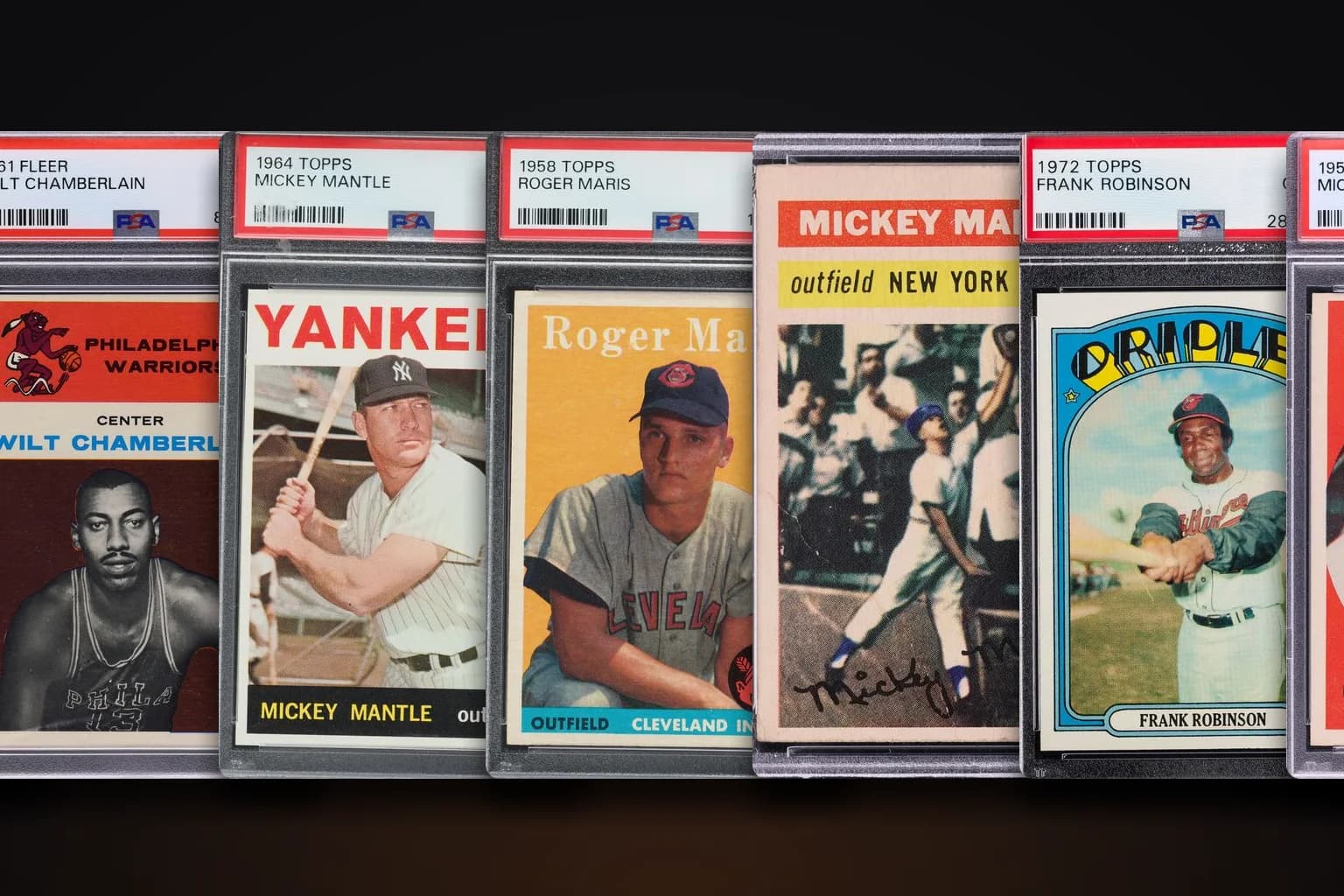
3. Vintage Sports Cards — Pre-1980 in Mid-Grade
The buyers coming into sports cards right now feel different from the 2020–2021 run. These are older collectors returning to cards they grew up with, not speculators chasing momentum. That demographic tends to hold.
Pre-1980 baseball cards in PSA 4 to PSA 6 are accessible entry points with genuine scarcity. A PSA 5 1952 Topps Mickey Mantle isn't cheap, but it's a documented piece of American sports history with a fixed supply and a buyer pool that includes both collectors and investors. The same logic applies to pre-1970 football and basketball cards in mid-grade.
The rationale: demographic demand shift, fixed supply, and mid-grade pricing that doesn't require top-of-market capital.
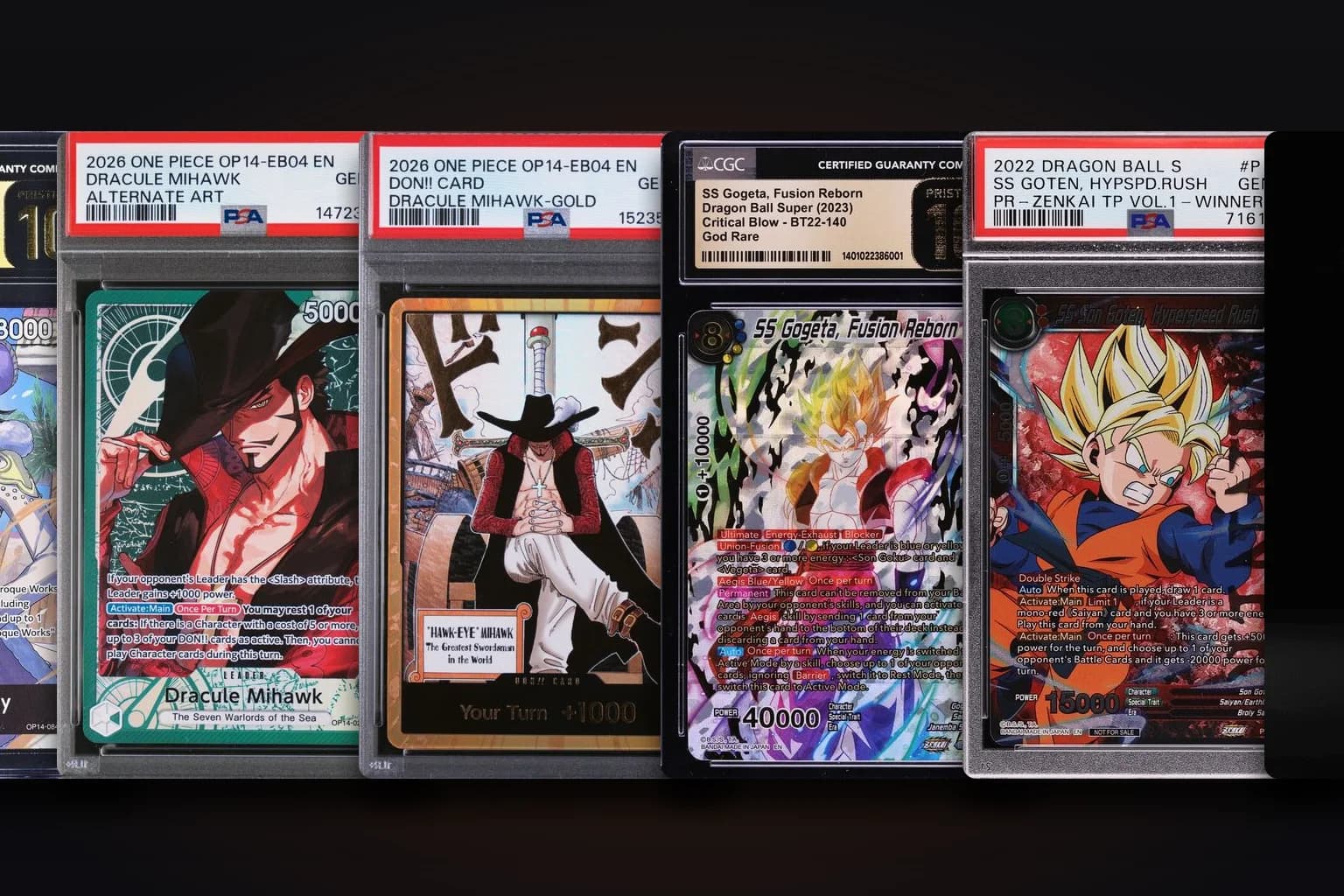
4. Anime Cards in PSA 10 — One Piece and Dragon Ball
This is the highest-growth category by percentage in 2026, and it's not slowing down. One Piece card prices have been well-documented across the collector community. Dragon Ball Super Card Game has a passionate base and a franchise with global recognition that rivals Pokémon.
The key distinction here: buy PSA 10 only. Raw copies of these cards are everywhere. Graded gem mint copies are not. The grade is doing real work — pop reports on many One Piece SARs and Dragon Ball Secret Rares in PSA 10 are still very low relative to the demand they're attracting.
The rationale: expanding collector base, low PSA 10 pop on desirable cards, and franchise tailwinds with years of runway.
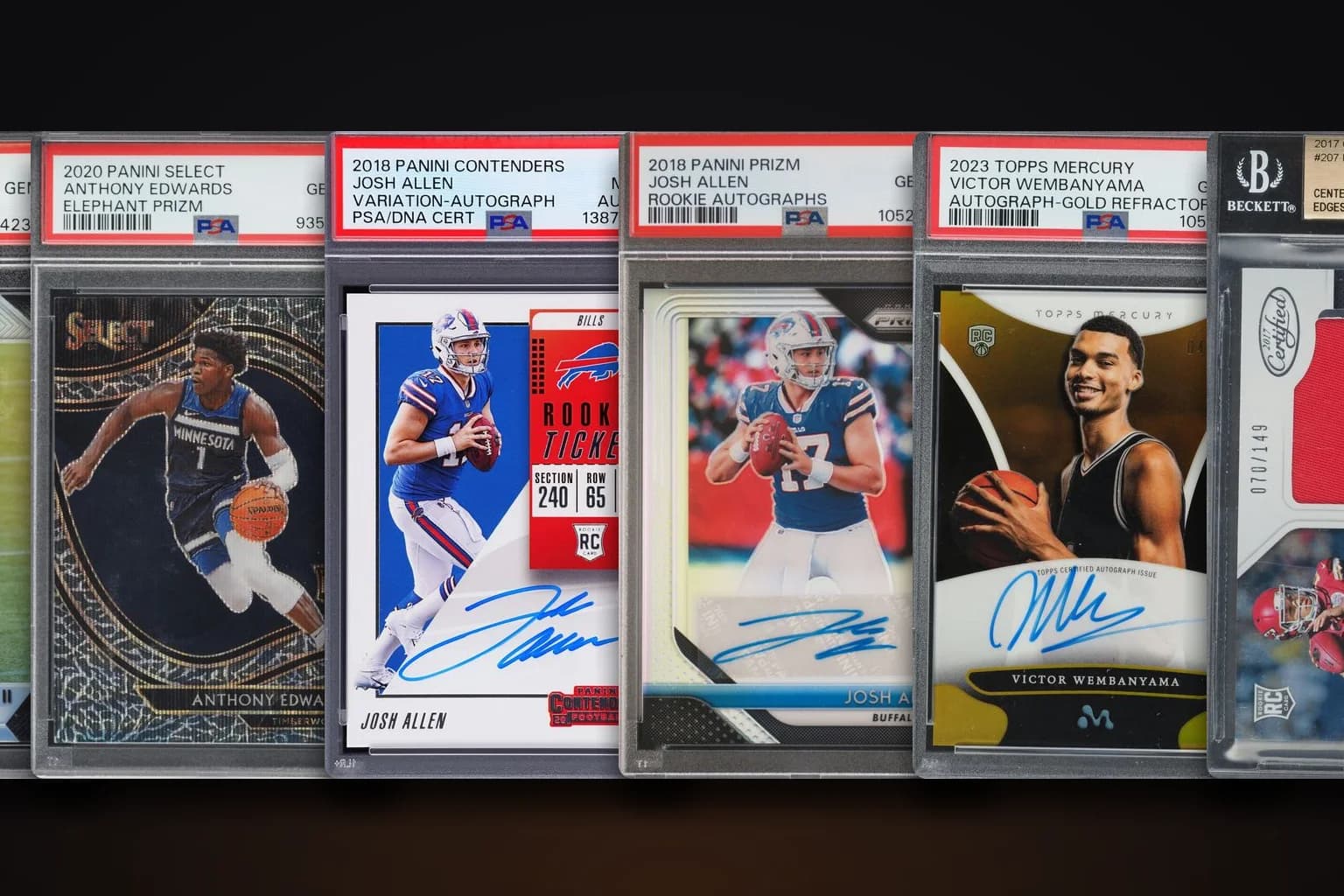
5. Graded Rookie Cards — Basketball and Football, PSA 9
This is a value play, not a momentum play. PSA 9 rookie slabs of players with proven careers are trading at 60–80% discounts to PSA 10 copies. For players whose careers are established — not speculative — the PSA 9 is a durable hold.
The PSA 10 premium on modern sports cards has widened to a point where PSA 9 copies of legitimately great players represent real value. A PSA 9 Luka Dončić or PSA 9 Patrick Mahomes rookie gives you real exposure to the card without paying the gem mint premium. (The PSA 9 vs PSA 10 price gap is exactly what makes this work.)
The rationale: established demand, a wide PSA 9/10 price gap, and a hold-oriented collector base that values the slab over the grade tier.
Finding the Best Price on Any of These Slabs
Knowing what to buy is half the equation. Finding it at the right price across eBay, Courtyard, Collector Crypt, and Phygitals — without spending an hour tab-switching — is the other half.
Graded World pulls live listings from all four platforms into one dashboard, powered by Graded's inventory system. Search once, see every available listing across marketplaces, and compare prices side by side. If a PSA 10 Gardevoir ex SAR is listed cheaper on Collector Crypt than on eBay right now, you'll see it immediately — not after you've already bought.
Graded World also hosts the largest listings of vaulted graded collectibles on any single platform, which matters when you're hunting specific slabs that aren't moving through traditional channels.
FAQs
What makes a graded card a good buy in 2026?
Three things: scarcity (low pop count in the relevant grade), demand (an active buyer pool with a clear reason to want the card), and a near-term catalyst — an anniversary, franchise news, or a rising player's career arc. A card that checks all three is worth serious attention.
Is it better to buy PSA 9 or PSA 10 right now?
Depends on your goal. PSA 10 holds value better and moves faster when you're ready to sell. PSA 9 offers better value per dollar on established cards where the grade gap is wide. For modern Pokémon SARs and anime cards, PSA 10 is the only grade that commands real collector interest.
Are Special Art Rares still worth buying in 2026?
In PSA 10, yes. The low gem mint rates on Scarlet and Violet SARs mean high-grade copies are genuinely scarce. Mid-grade modern is a different story — the value case is much weaker there.
How do PSA fee increases affect which cards are worth grading?
Higher fees make submitters more selective. Cards with low expected PSA 10 value relative to grading cost don't get sent in. Over time, that slows pop growth on mid-tier cards — which is modestly bullish for already-graded copies already in the market.
What's the best way to track prices across multiple platforms?
A cross-platform aggregator. Checking eBay, Courtyard, Collector Crypt, and Phygitals individually is slow, and you'll miss price differences. Graded World pulls live listings from all four into one place so you can compare without the platform-hopping.
Are vintage sports cards a good buy compared to vintage Pokémon?
They serve different collector profiles. Vintage sports cards in mid-grade are often more accessible price-wise and have a deep, returning collector base. Vintage Pokémon in high grade has stronger upside tied to the franchise's anniversary cycle. Both have real demand behind them in 2026.
How do I know if a card's pop count is actually low?
Check PSA's population report directly for the card and grade. Under 200 copies in PSA 8 or better on a desirable card is genuinely low. Under 100 is scarce. Context matters — 50 PSA 10 copies means something very different if there are 10,000 raw copies still in circulation.
The best time to research a buy is before the catalyst hits the mainstream. The anniversary cycle, the anime card surge, and the sports card demographic shift are all in motion right now. Check the pop reports, compare prices before you commit, and don't overpay because you missed a listing on another tab. Start your search at gradedworld.com.