Vaulted Cards Explained: What They Are and Why Collectors Are Buying Them
You've probably seen "vaulted" thrown around in Discord servers and card communities — sometimes next to a Charizard listing, sometimes next to something that looks like an NFT. It's not always clear what it means, how it actually works, or whether it's worth your time.
Here's the straightforward breakdown.
What Does "Vaulted" Mean for Graded Cards?
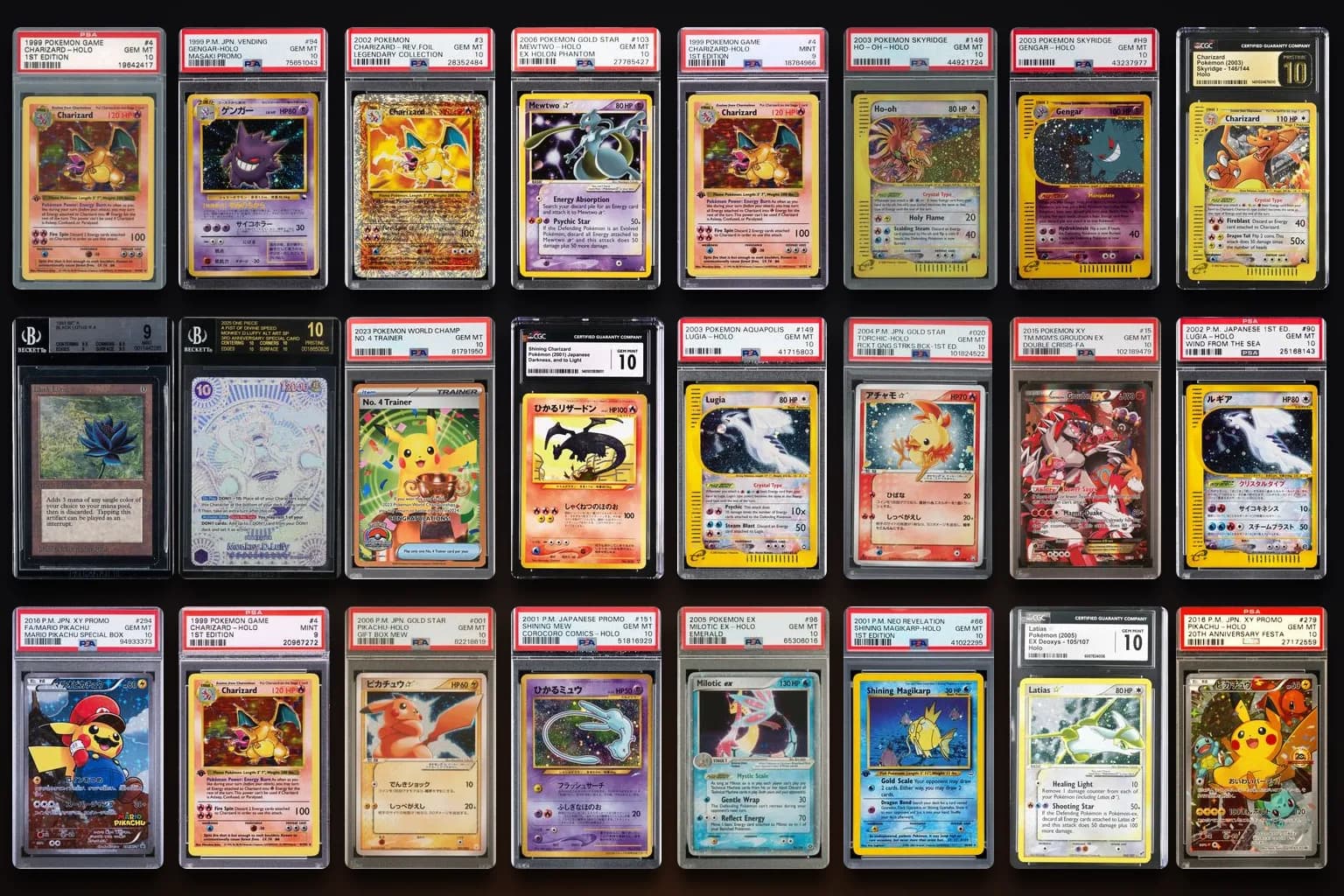
A vaulted card is a physical graded slab held in secure third-party storage and digitally represented so it can be bought, sold, or traded without the card ever moving.
The slab still exists. It's sitting in a climate-controlled, insured facility — not in your display case, and not bouncing around in a bubble mailer. Instead of shipping the card, you trade the digital representation tied to it.
You can redeem it. You can sell it. You can trade it. You just don't have it in hand right now.
How Vaulting Works on Courtyard
Courtyard is the most accessible entry point into vaulted cards. Ship your graded slab to them, they verify and store it, and the card gets digitally represented on your account. Simple enough.
A few things worth knowing:
- Storage and insurance are free. No monthly fees to keep your slab in their facility.
- Redeem anytime. Want the physical card back? Request it and they ship it to you.
- Zero marketplace fees. Buying and selling vaulted cards on Courtyard costs nothing in platform fees.
- 90% FMV instant sell-back. Courtyard guarantees a buyback at 90 percent of fair market value, so you're never completely stuck on a card you want to exit.
It's a genuinely collector-friendly setup. The main limitation is that Courtyard is a walled garden — everything you buy, sell, or hold stays inside their ecosystem unless you redeem the physical card.
How Vaulting Works on Collector Crypt
Collector Crypt takes a different approach. It tokenizes physical Pokémon cards as tradable assets on Solana, turning each slab into an NFT that represents the real card.
The marketplace is gamified, which appeals to a certain type of collector, and trades settle fast because everything runs on-chain. The catch: you need a Solana wallet to participate. If you're already comfortable with crypto, it's a natural fit. If you just want to buy a PSA 10 Umbreon without setting up a wallet first, it's more friction than most collectors want.
Why Collectors Are Buying Vaulted Cards
Once you've shipped a few high-value slabs and spent the whole transit window refreshing tracking updates, the appeal makes a lot of sense.
No shipping risk. Every time a card moves through the mail, it's exposed to damage, theft, and loss. Vaulted trades don't touch the postal system. A PSA 10 changing hands doesn't mean a PSA 10 getting dropped at a sorting facility.
Instant settlement. Vaulted trades clear immediately — no waiting for the buyer to receive the card, no hold periods, no condition disputes after the fact.
Global liquidity. You're not limited to buyers in your country. A vaulted card can sell to someone on the other side of the world without a customs form or an international shipping quote.
Insurance. Both Courtyard and Collector Crypt cover the cards in their custody. Your slab isn't sitting in a shoebox.
No sales tax in many cases. Depending on your jurisdiction and the platform, vaulted card transactions can avoid the sales tax that applies to physical shipments. It varies, so worth checking your specific situation — but it's a real consideration for high-volume traders.
Tokenization: Trade and Borrow Against Your Cards Instantly
Vaulting is the foundation. Tokenization is what you build on top of it — and it's where vaulted cards start doing things a card in a drawer never could.
Once a slab is vaulted and its custody is entrusted to an on-chain issuer — Collector Crypt, Courtyard, or Phygitals — that physical card can be tokenized: represented one-to-one by a token on-chain. The token isn't a picture of the card or an IOU you have to chase. It's backed by the real slab sitting in a vault, held by a custodian whose entire job is guaranteeing it's there. That full backing is what unlocks two things physical cards simply can't do.
Trade instantly. A tokenized card settles on-chain in seconds. Ownership transfers the moment the transaction confirms — no shipping window, no escrow hold, no waiting for a buyer to receive and inspect the card. The slab never moves; only the token changes hands.
Borrow against your collection. Because a tokenized card is a verified, custodied asset, you can use it as collateral. That means borrowing against a Charizard you have no intention of selling — unlocking liquidity from your collection without giving up the cards. The vault custody is exactly what makes a lender comfortable: the asset behind the loan is real, insured, and accounted for.
This is the part most collectors haven't caught up to yet. A vaulted, tokenized collection isn't just easier to sell — it's an asset base you can actually put to work.
The Limitations Are Real Too
Vaulted cards aren't for everyone.
You can't hold the card. If you display your slabs or just like having the physical thing in front of you, vaulting removes that entirely. Redemption is always an option, but there's a delay and usually a shipping cost involved.
Collector Crypt requires crypto familiarity. No Solana wallet means no smooth experience. That's not a knock on the platform — it's just where the tooling is right now.
And if you're shopping vaulted cards across both platforms, you're back to opening multiple tabs, comparing listings manually, and hoping you're not missing a better deal somewhere else.
Browsing Vaulted Cards Across All Platforms at Once
This is where Graded World fits in.
Graded World pulls live listings from Courtyard, Collector Crypt, eBay, and Phygitals into a single dashboard — including vaulted inventory from both Courtyard and Collector Crypt, in real time. You're looking at actual available cards, not stale data.
It hosts the largest listings of vaulted graded collectibles on any single platform. Search for a specific card and you see everything available across all four marketplaces, prices side by side, right there.
Graded World is also where you tokenize. We help collectors turn their vaulted slabs into on-chain assets through these issuers, and we aggregate every tokenized collection into one place — so the cards you can trade instantly and borrow against all live in a single dashboard, no matter which issuer holds custody.
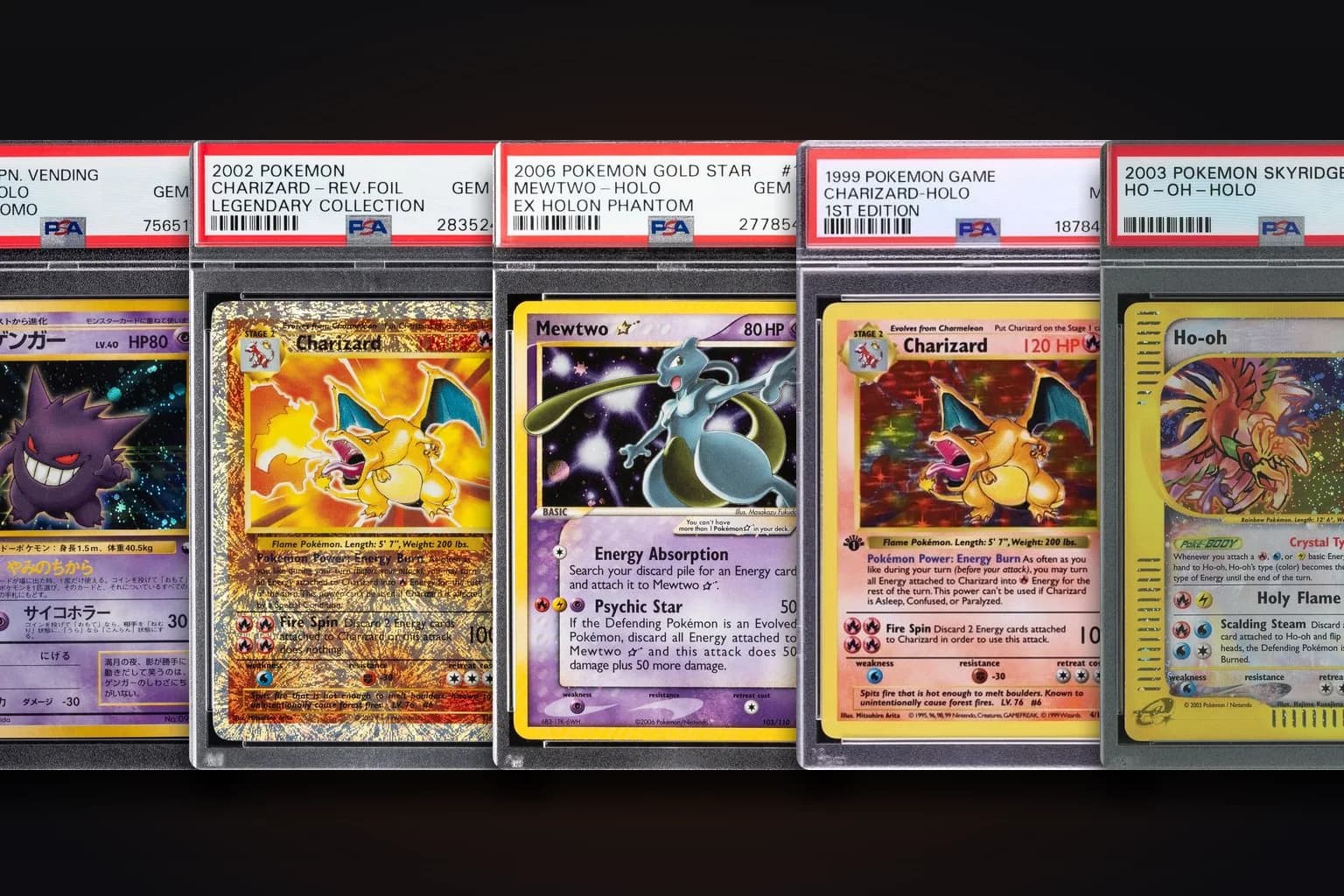
No platform-hopping. No guessing where the better deal is. You look up the card, see everything, and buy from wherever makes sense.
View your dashboard at gradedworld.com.
FAQs
What is a vaulted graded card?
A physical slab held in secure third-party storage and digitally represented so it can be traded or sold without physically shipping the card.
Can I get my vaulted card back?
Yes. Both Courtyard and Collector Crypt allow redemption. Courtyard ships it to you on request. Expect a processing period and shipping cost.
Is vaulting safe for high-value slabs?
Vaulted cards are stored in insured, climate-controlled facilities. For high-value cards, it eliminates the shipping risk that comes with every physical trade.
Do I need crypto to buy vaulted cards?
Depends on the platform. Courtyard doesn't require a crypto wallet. Collector Crypt runs on Solana and does. Graded World supports payments in SOL and USDC and lets you browse listings from both platforms in one place.
What's the difference between Courtyard and Collector Crypt?
Courtyard is built for mainstream collectors — free storage, zero marketplace fees, and a 90 percent FMV buyback guarantee. Collector Crypt tokenizes cards as NFTs on Solana and is better suited to crypto-native collectors.
Where can I browse vaulted listings across multiple platforms?
Graded World aggregates live vaulted listings from Courtyard, Collector Crypt, eBay, and Phygitals in one dashboard. It hosts the largest listings of vaulted graded collectibles available on any single platform.
Can I tokenize my graded cards?
Yes. Once a slab is vaulted with an on-chain issuer like Collector Crypt, Courtyard, or Phygitals, it can be tokenized — represented one-to-one by an on-chain token backed by the real card in custody. Graded World helps you tokenize your cards and brings every tokenized collection into one dashboard.
Can I borrow against my vaulted cards?
Because a tokenized card is a verified asset held in a vault by a trusted custodian, it can be used as collateral. That lets you borrow against your collection — unlocking liquidity without selling the cards you want to keep.
Are there tax advantages to trading vaulted cards?
In some jurisdictions, vaulted card trades may not trigger the same sales tax obligations as physical shipments. Rules vary by location, so check with a tax professional for your specific situation.