Are Online Graded Card Packs Legit? How Provably-Fair Packs Work (and the EV vs a Booster Box)
On this page
Key takeaways
- An online graded card pack is legit when three things are true: you get a real, professionally graded card, the draw is verifiably random, and there is a real floor on what you can get back. Graded meets all three.
- Every pull is settled by on-chain VRF (a verifiable random function), so the randomness can be checked independently after the fact. Every pack publishes its full prize pool and pull odds before you buy.
- Pull odds are published per pack, typically 80% common, 15% uncommon, 4% rare, 1% epic. Every pulled card is a real slab with a public cert number you can verify in the grader's own database.
- A pack's expected value runs roughly 101% to 110% of the pack price, and every card carries an instant-buyback floor of 85% to 93% of its value. A sealed retail booster box averages closer to 40% to 50% of its price in singles after selling fees.
"Is this rigged?" is the first question anyone sensible asks before opening a pack online. It is the right question. The mystery-box corner of the internet is full of weighed packs, resealed wrappers, and odds that are never disclosed. This guide answers the question honestly for one specific product: a pack of real, graded cards. It explains how you can verify the draw yourself, what the odds and expected value actually are, and how the math compares to buying a sealed booster box. Every number here is real and current as of July 2026.
Are online graded card packs legit?
Yes, a graded card pack is legit when it clears three tests: the card is real and independently graded, the draw is verifiably random, and there is a real floor on what you can get back for it. Those three tests are also how you can tell a legitimate product from a rigged one, whoever is selling it.
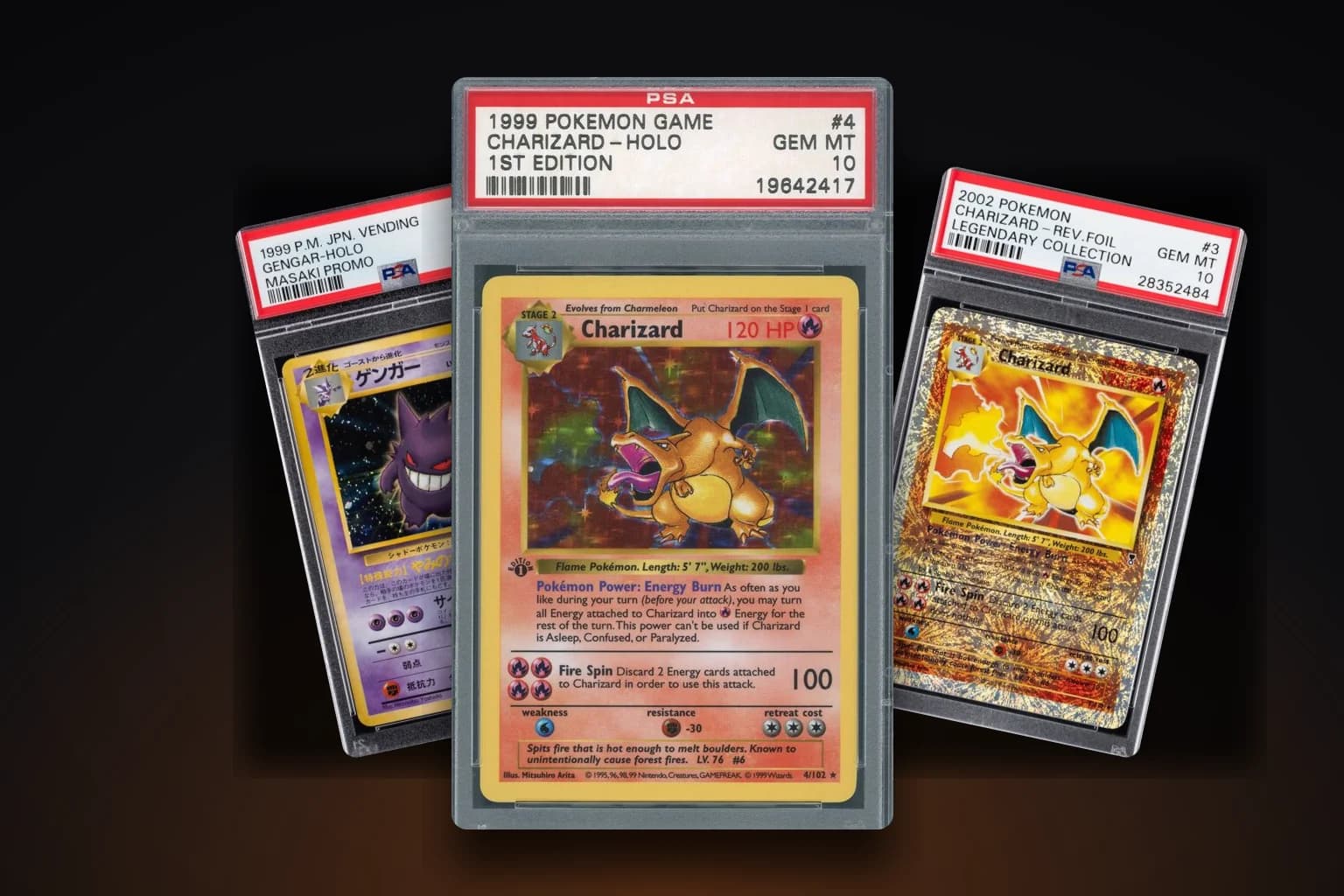
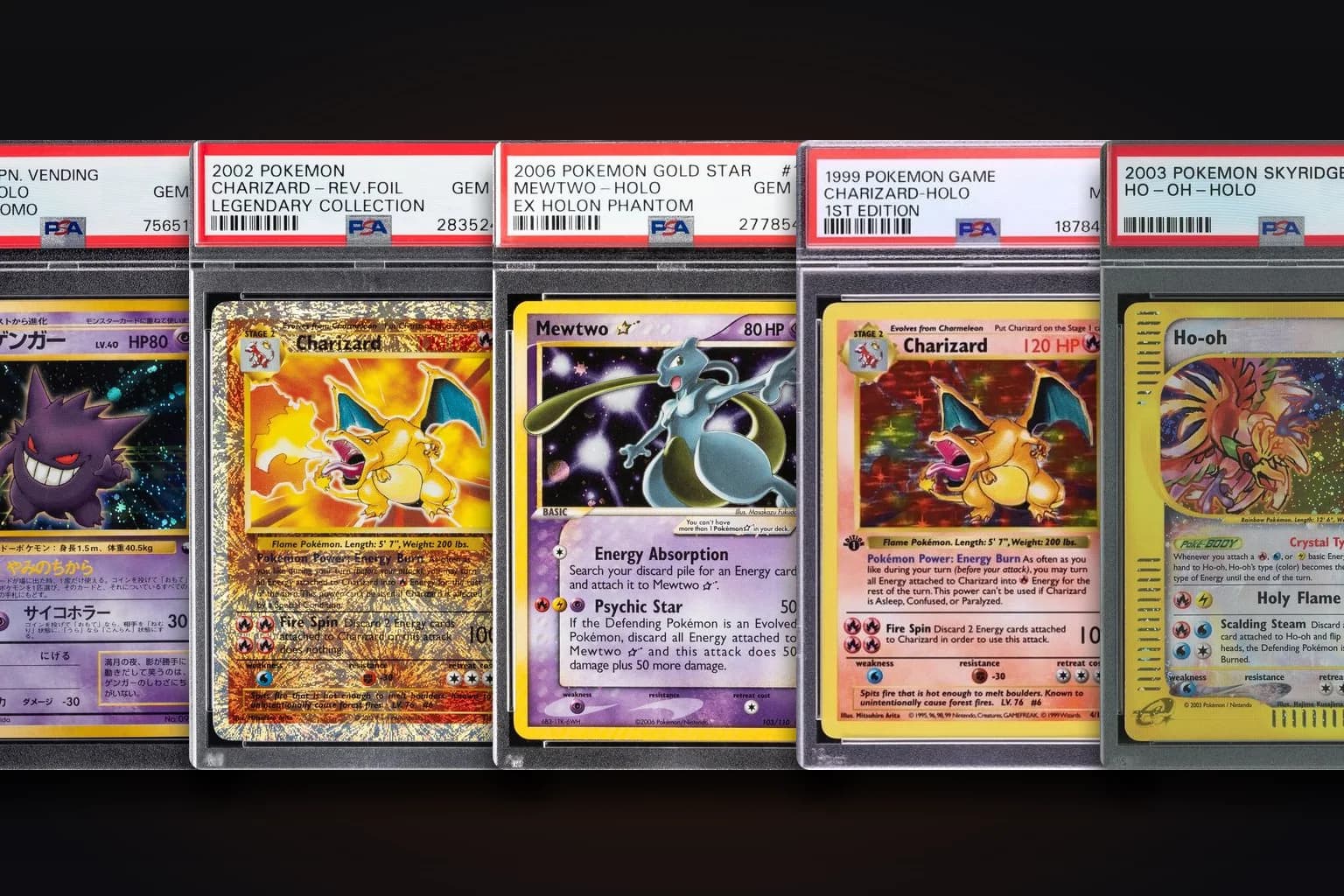
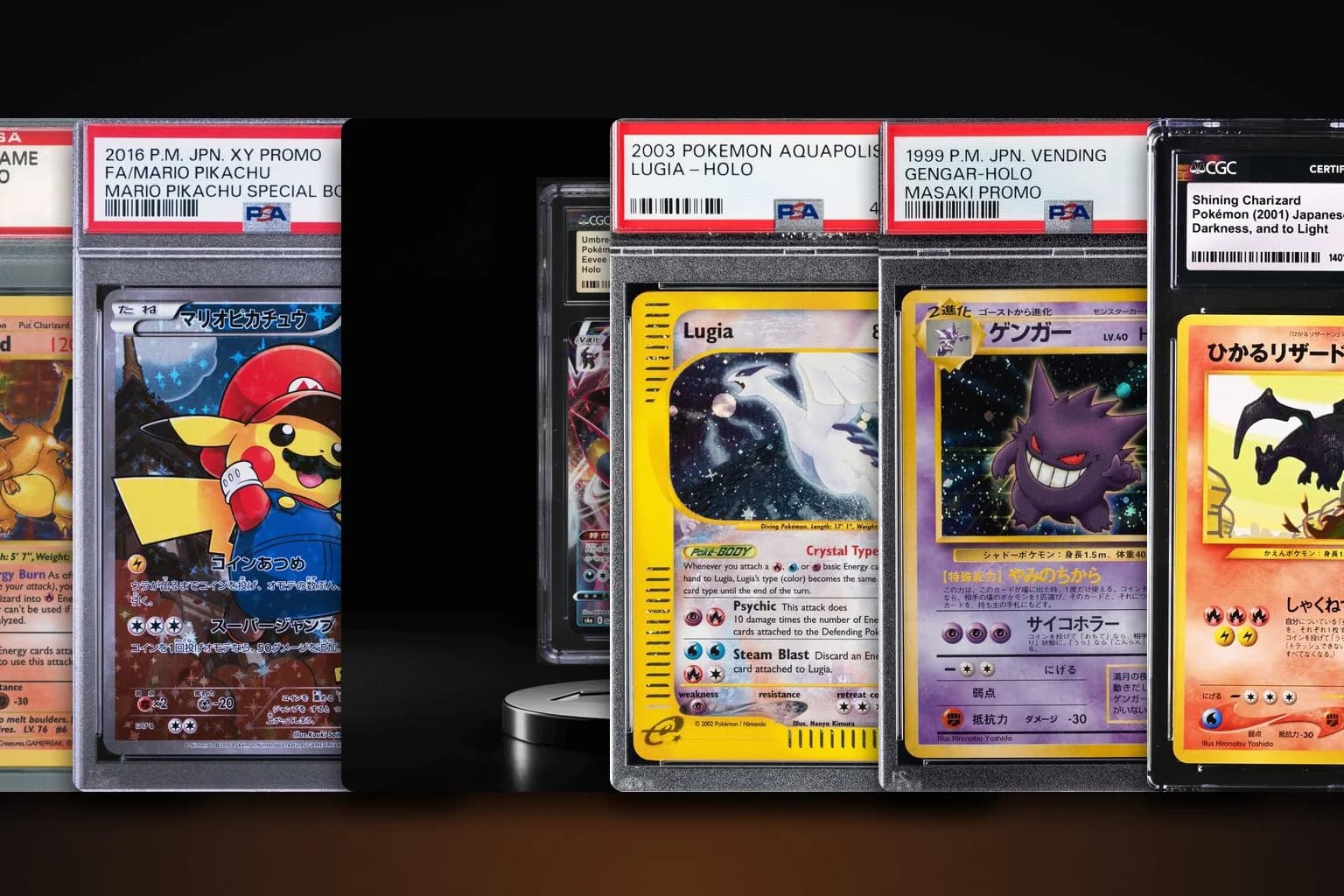
On Graded, a pack yields one real card that has already been graded by PSA, BGS, CGC, or SGC and sealed in a tamper-evident slab. That matters more than it sounds. A slab sitting in a vault cannot be weighed, resealed, or swapped, which is the whole basis of the classic physical repack scam. There is no bulk filler, because every item in the pool is a graded slab with its own cert number. The other two tests, verifiable randomness and a real floor, are covered in the sections below.
How do you know the pull is not rigged?
Because the randomness is provably fair: every pack open is settled by an on-chain VRF, and anyone can verify that a given pull was random after the fact. A VRF, or verifiable random function, produces a random result together with a cryptographic proof that the result was generated fairly and was not chosen to hand you a specific card. The proof is published on-chain. You do not have to trust that the draw was fair. You can check it.
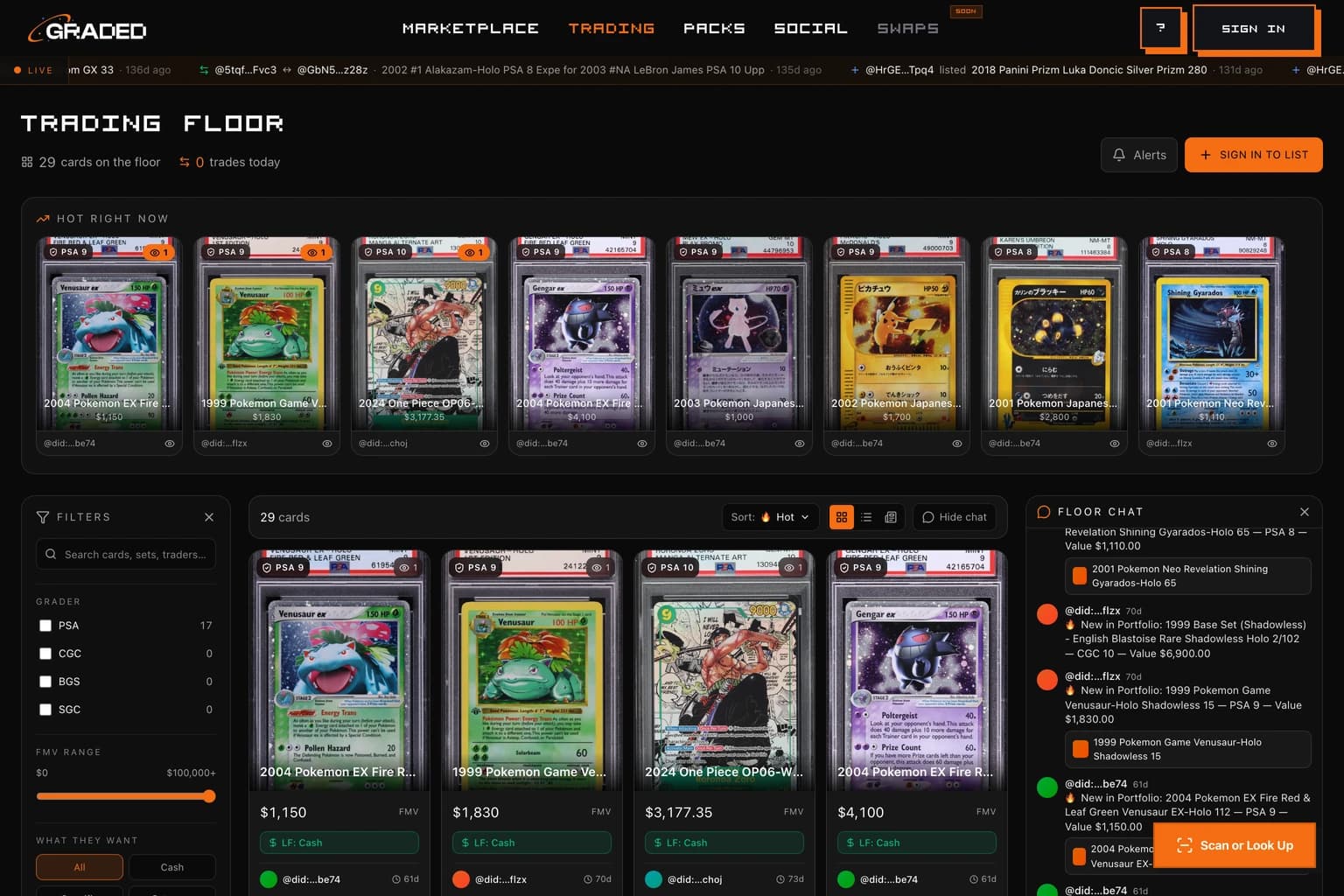
Two other things are published before you ever spend money. First, the full prize pool: every card that could come out of the pack, searchable, with its grade and value. Second, the pull odds for each rarity tier. A rigged product hides its contents and its odds. A legitimate one shows you both up front, which is exactly what a pack page on Graded does.
Finally, every card you pull carries a public cert number. You can type that number into PSA's or CGC's own public lookup and confirm the grade, the population, and the card. Nothing about the draw or the card depends on taking Graded's word for it.
A note on the two pack types. Graded's native packs use Graded's own on-chain VRF, and you can re-run the entire proof in your browser at the pull verifier. The Collector Crypt packs on the main packs page are made fair by Collector Crypt's own on-chain VRF, and each open lands as a transaction on Solana that you can inspect. Both are verifiable on-chain. They are simply run by different engines.
What are the actual pull odds?
The odds are published on every pack and follow a standard split: about 80% common, 15% uncommon, 4% rare, and 1% epic, with the top tiers weighted slightly higher on the more expensive packs. Rarity here is defined by the card's value band, not by a vague label. On a $50 Elite Pokémon pack, for example, the tiers map to real dollar ranges:
| Tier | Pull odds | Card value band |
|---|---|---|
| Common | 80% | $30 to $60 |
| Uncommon | 15% | $60 to $110 |
| Rare | 4% | $110 to $250 |
| Epic | 1% | $250 to $5,001 |
Being honest about what this means: most pulls land in the common tier, near the pack price. The 1% epic tier is where the headline hits come from. That is the shape of every pack, and it is worth understanding before you buy. The difference with Graded is that the shape is disclosed rather than hidden.
What is the expected value of a Graded pack?
Expected value runs a little above the pack price, roughly 101% to 110% depending on the tier, which is unusual for any pack product. Expected value is the average value of a random pull, weighted by the odds. Here are the current figures, taken live from the pack engine:
| Pack | Price | Expected value | Buyback floor |
|---|---|---|---|
| Starter Pokémon | $25 | $27.62 (110%) | 85% |
| Elite Pokémon | $50 | $54.71 (109%) | 85% |
| Legendary Pokémon | $250 | $262.28 (105%) | 90% |
| Grail Pokémon | $1,000 | $1,020.17 (102%) | 93% |
| Mythic Pokémon | $2,500 | $2,534.25 (101%) | 93% |
Two honest caveats belong right here, because they are the difference between marketing and information. First, that expected value is denominated in the vault's insured card values. We priced the top cards in a $50 pool against our own database of real sold comps and found the insured values ran about 6% above real market prices on average, with several matching within a percent or two. So the true market expected value is a little below the figure the page shows, but still around or above the pack price. Second, expected value is an average, not a promise. Most individual packs return near the floor, and the average is lifted by the rare big hits. What is guaranteed is the floor, not the upside.
Is opening a Graded pack better than a sealed booster box?
On the math, usually yes. A Graded pack's worst case is close to a sealed booster box's average case. A modern sealed Pokémon booster box returns roughly 40% to 50% of its price in singles, and closer to 30% to 60% once a set has been in print for a year, according to expected-value trackers such as PokemonPriceTracker and CardMarks. Then you have to sell every single yourself, and 20% to 25% of the value goes to marketplace and shipping fees, so the real net is around 37% to 40%. Roughly one box in seven is a "cold" box that is mostly bulk commons. There is no floor.
| Graded $50 pack | $150 sealed booster box | |
|---|---|---|
| Expected value | ~103% to 109% of price | ~40% to 50%, less after fees |
| Getting money out | Instant buyback, one click | Sell each single yourself; 20% to 25% fees |
| Floor | Real graded slab, sellable now | Effectively zero; often bulk commons |
| Already graded? | Yes, with a cert number | No; $20 to $30 and weeks per card |
| Odds published? | Yes, per tier, before you buy | No official pull rates |
None of this means a booster box is a bad purchase. Many people open sealed product for the ritual, or hold it sealed for long-term appreciation, which is a different goal. But if the goal is to open something and come out close to even with a real, liquid card at the end, the arithmetic favors the graded pack.
What happens to the card after you pull it?
You have three options, and all three are real: keep it in the vault, take the instant buyback, or redeem the physical slab.
- Keep it. The card stays vaulted and insured, and you can trade it, list it, or hold it like any other graded card in your collection.
- Sell it back instantly. Every card carries a buyback of 85% to 93% of its value, paid immediately in USDC, with no listing and no waiting for a buyer. This is the real floor under a pack.
- Redeem the physical card. Have the actual slab shipped from the vault to your door. You can read how that works on the redemption page.
What does it cost, and what are the fees?
You pay the pack price plus a 2% purchase fee, and packs range from $25 to $5,000. There are packs for Pokémon, One Piece, and the major sports, at every price tier. The buyback is the flip side of the fee structure: when you sell a card back, you receive the stated buyback percentage of its value. Nothing is hidden in the spread, because the pool value, the odds, and the buyback rate are all published on the pack page before you commit.
See the odds and prize pool for yourself
Every pack shows its full prize pool, pull odds, expected value, and buyback floor before you buy. Browse them, then verify a pull on-chain.
Frequently asked questions
Are Graded's card packs rigged, or are the pulls really random?
The pulls are provably fair. Every pack open is settled by an on-chain VRF, so anyone can verify that a given pull was random after the fact. Graded also publishes each pack's full prize pool and pull odds before you buy, and every card has a public cert number you can look up in the grader's own database.
Do I get a real, physical card?
Yes. Every pull is a real card that has already been graded by PSA, BGS, CGC, or SGC and sealed in a slab, held in an insured vault. You can keep it vaulted, sell it back instantly, or have the physical slab shipped to you.
What is the expected value of a Graded pack?
Expected value runs roughly 101% to 110% of the pack price, depending on the tier. That figure is based on the vault's insured card values, which run modestly above real market prices, so the true market expected value is a little lower but still around or above the pack price. Every card also has an instant-buyback floor of 85% to 93% of its value.
Is a Graded pack better than a sealed booster box?
On the math, usually yes. A Graded pack's expected value runs above the pack price with a real floor and an already-graded card, while a sealed retail booster box averages around 40% to 50% of its price in singles after selling fees, has no floor, and requires you to grade cards yourself. A pack's worst case is close to a booster box's average case.
Can I verify the randomness myself?
Yes. Graded's native packs let you re-run the entire fairness proof in your browser using the on-chain VRF output, and Collector Crypt packs settle as an on-chain transaction on Solana that you can inspect. The randomness does not depend on trusting the operator.
What does a pack cost?
Packs range from $25 to $5,000 across Pokémon, One Piece, and sports, plus a 2% purchase fee. The pool value, odds, and buyback rate are shown on each pack page before you buy.
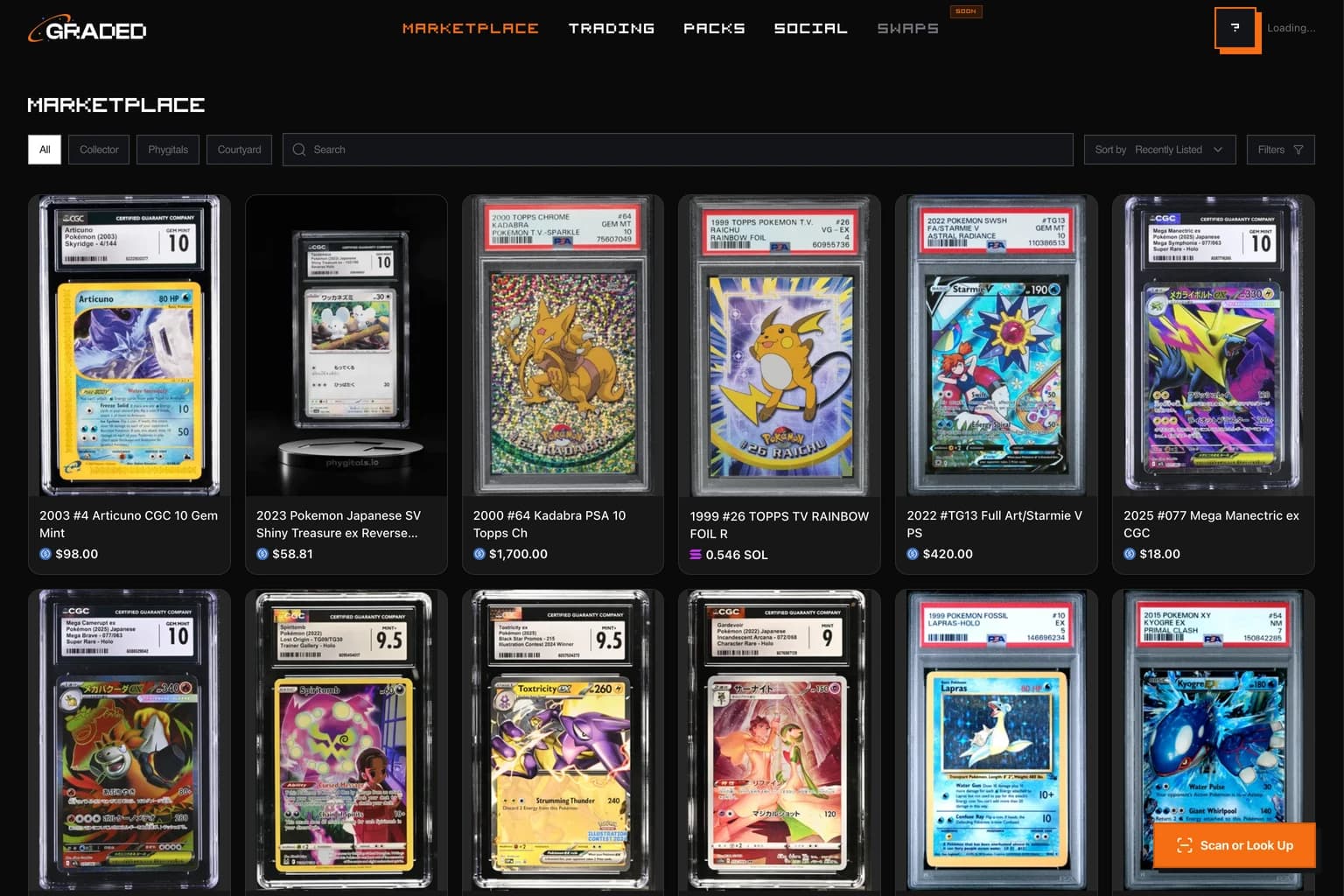
Want the bigger picture on how tokenized graded cards work? Read Onchain TCG explained, or head straight to the packs and the marketplace.